David McKenzie
Level Design Intern — Camouflaj
One-touch stealth-action, story-based thriller. Level design preproduction and implementation for République, Episode 3: Ones & Zeroes.
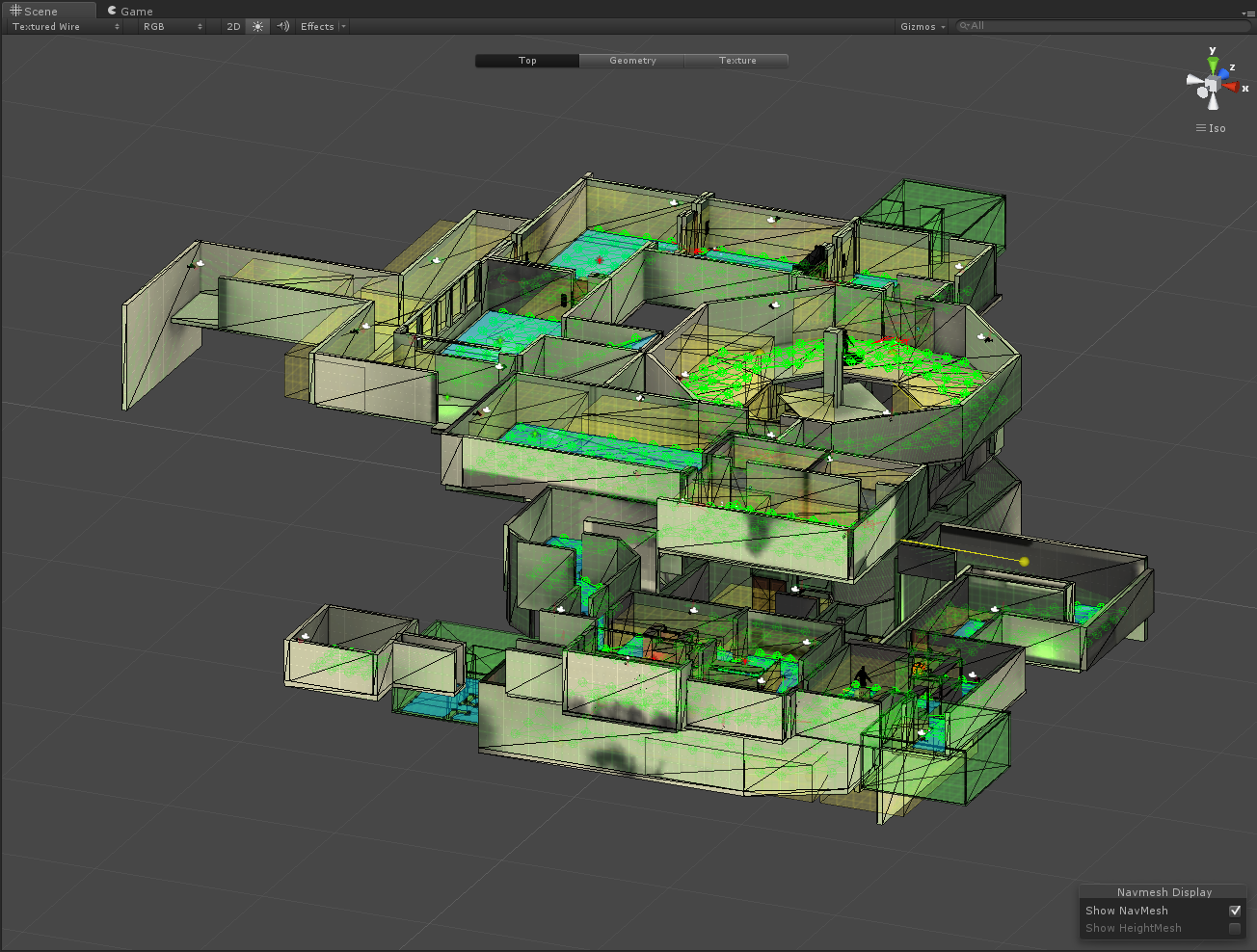
République — Episode 3: Ones & Zeroes
République is a 3D stealth-action, story-driven iOS game where the player helps Hope escape her imprisonment in a 1984-inspired dystopia. The player “speaks” to Hope through their device, hacking into security cameras and guiding her through hostile guards and mysterious circumstances. Discovery also comes from collecting information via computer emails and environmental points of interest.
Role
I worked as a level design intern at Camouflaj, responsible for level design preproduction for an entire episode in the 5-part saga: Episode 3: Ones & Zeroes. My duties included AI encounters/navigation/pathing, geometry, and level flow/pacing within Unity.
Blueprints → Iteration
Everything started with blueprints after digesting the game’s mechanics, Episode III’s narrative goals (from the Lead Writer and Creative Director), and rough preliminary geometry. Early geometry involved three separate levels with a path that twisted and looped across all three multiple times. Load times were frequent and long on older devices, so the first major pass was to combine three levels into two and reduce transitions from 20+ to less than 3. From there, the geometry evolved through repeated rebuilds—scrapped, split apart, rearranged, recombined, and redesigned.
Cameras, Sightlines, and Readability
Cameras were a core challenge: managing sightlines, AI awareness/paths, and cinematography. Each camera was one link in a long chain of angles shaping most of the player’s experience, so each one needed to establish a new area and link cleanly to previous and future cameras without disorienting the player’s direction. A key lesson: cameras that switch back-and-forth across a major room’s dividing line can be highly disorienting; keeping cameras along the same wall (without crossing the dividing line) was much more forgiving.
Process Takeaway
Level design tends to follow a consistent process across genres: learn the tool, learn the workflow, digest the game and its systems, and playtest as widely as possible. The differences between projects are often the small lessons—like static camera placement—that accumulate through trial and error.
Work Samples
Click any thumbnail to swap the main image.
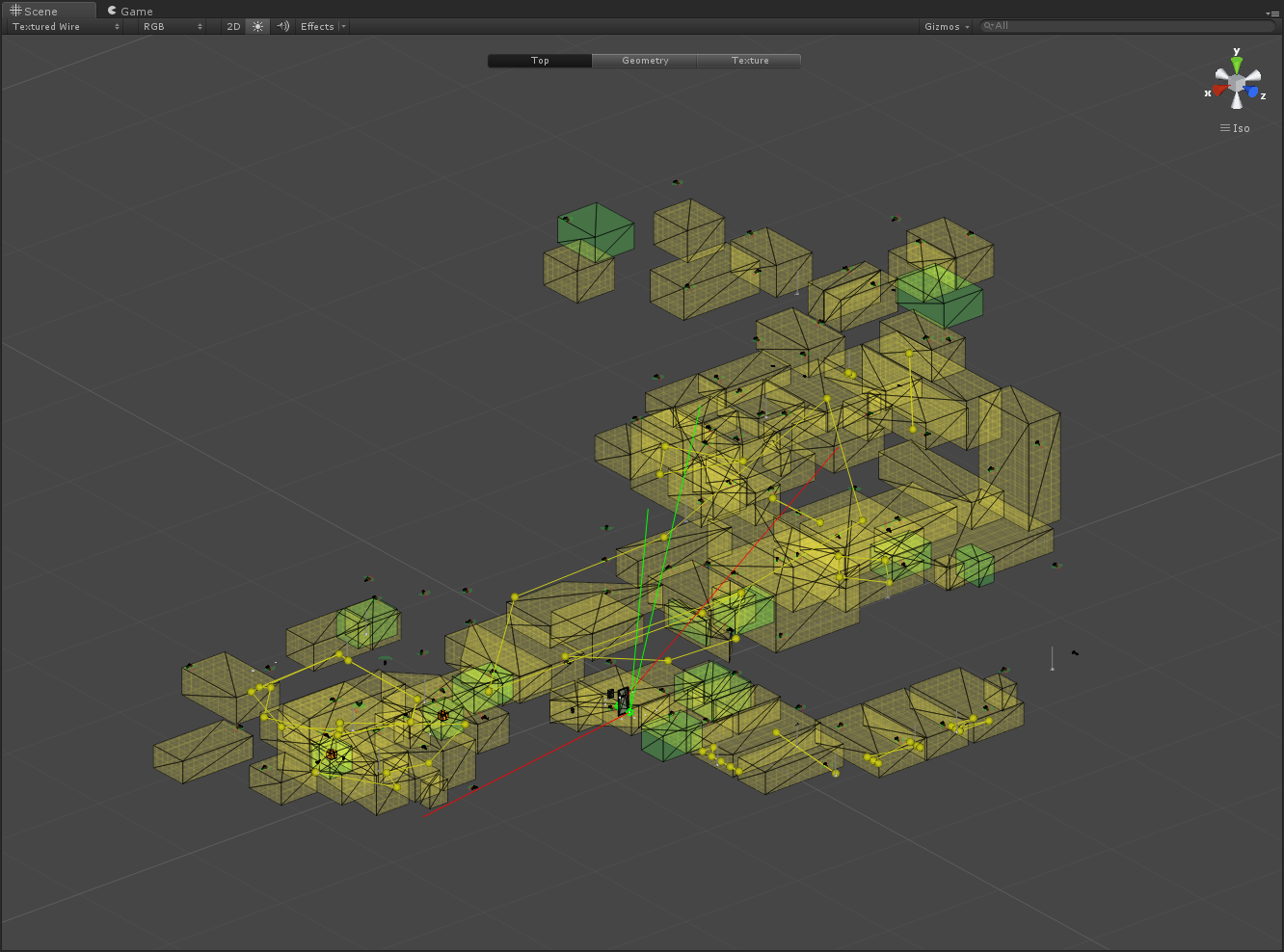

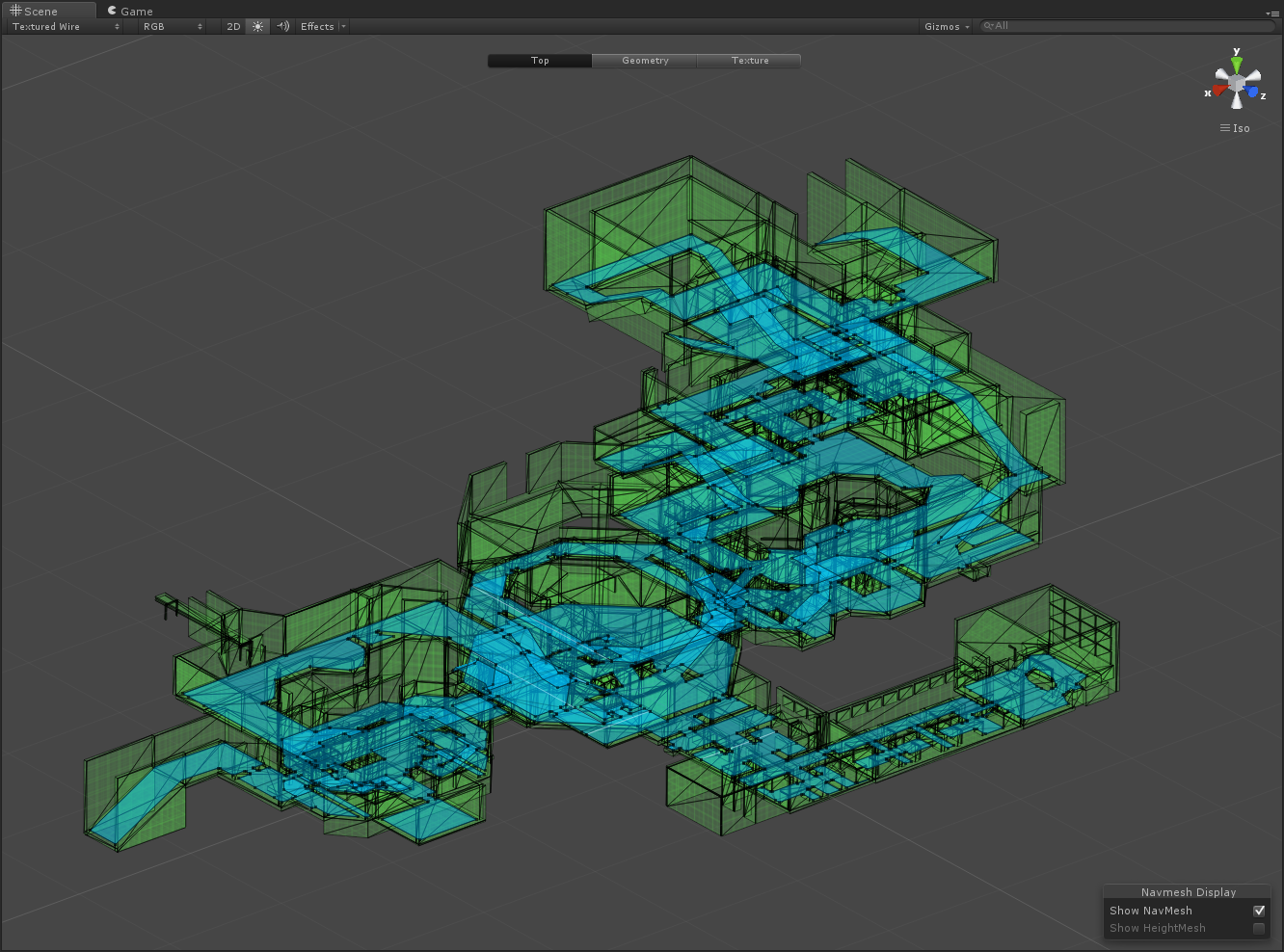
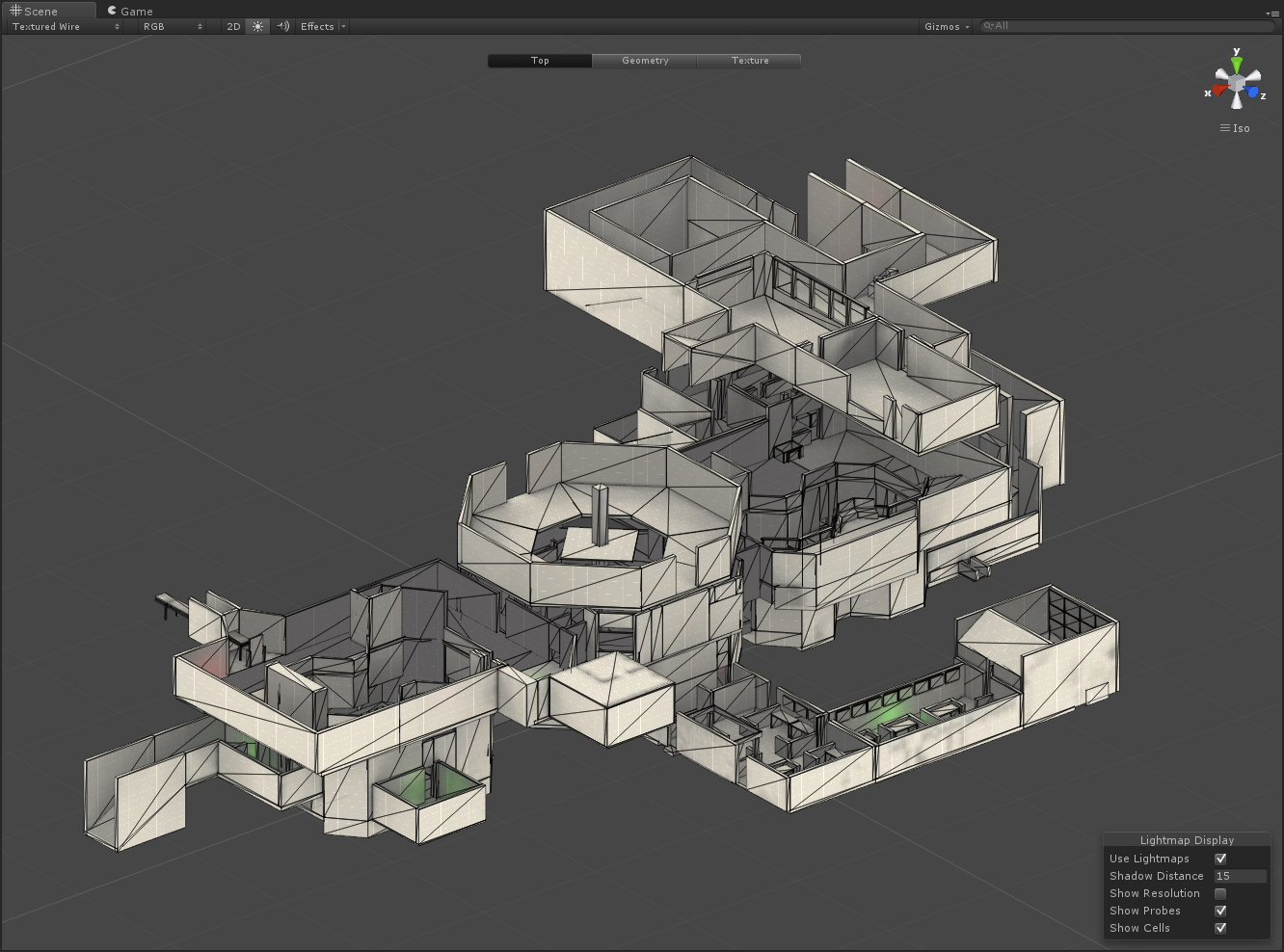

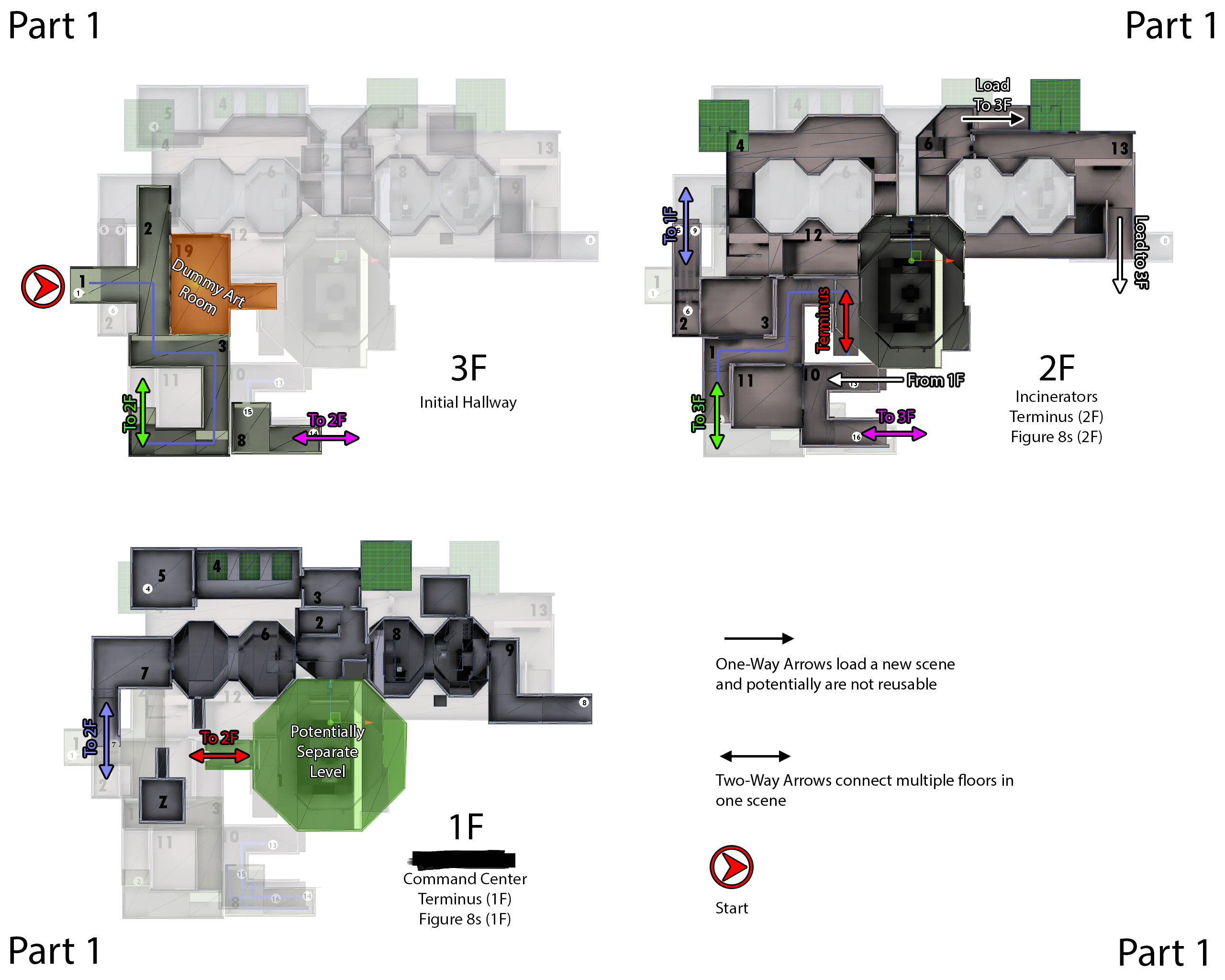
- Level Design
- Preproduction